


INTRODUCTION
Watercolor coloring pages give your art a soft, calm, painted style. Color flows across the page in a way pencils and markers do not. For many beginners, watercolor feels exciting, but also hard. Too much water can wrinkle the page. Too much paint can make colors look muddy. A wet brush can move color outside the lines.
Good news. You do not need expert skill to enjoy watercolor in coloring books. You need a few simple supplies, a light hand, and a slow pace. Once you learn how water and paint work together, watercolor feels much easier.
This guide will help you learn the basics. You will find easy techniques, beginner tips, common mistakes to avoid, and simple ways to build confidence. You will also learn how watercolor fits beautifully with fantasy pages from Fantasy In Black.
WHY WATERCOLOR WORKS WELL ON COLORING PAGES
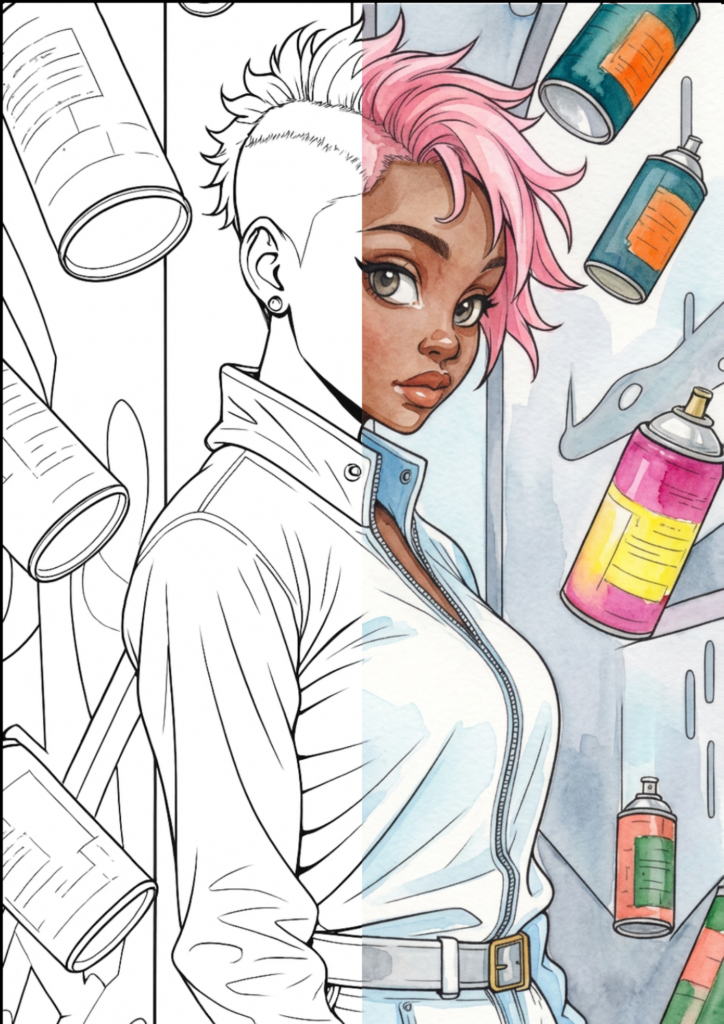
Watercolor gives coloring pages a gentle, glowing finish. A light wash can make a sky feel dreamy. A soft blend can turn a dress, flower, or magical effect into a rich part of the page. Watercolor also helps you build color little by little, which helps beginners stay in control.
Another reason people love watercolor, the process feels calm. You paint a layer. You let it dry. You add a second layer. This slower pace makes coloring time more peaceful. If you want art time that feels creative and relaxing, watercolor coloring pages are a strong place to begin.
SUPPLIES YOU NEED
Keep your supply list small at first. A basic watercolor paint set works well for practice. A small round brush and a medium round brush will cover most areas on a coloring page. You also need clean water, paper towels, and a mixing surface or tray.
Paper matters more than many beginners expect. Thin paper does not handle water well. Thick paper gives better results. If you use watercolor in coloring books, test one page before painting a full design. If you use printable pages, print on sturdy paper if your printer allows it. Better paper gives you more control and fewer problems.
HOW WATERCOLOR WORKS
Watercolor uses water to carry pigment across paper. More water creates softer and lighter color. Less water creates deeper and stronger color. This simple rule helps with most beginner problems.
If color spreads too far, you likely used too much water. If the color looks rough or dry, your brush may not hold enough water. If your page looks too pale, do not rush to fix it with thick paint. Let the first layer dry, and add another layer later. Watercolor works best when you build from light to dark.
HOW TO PREPARE YOUR PAGE
Choose one small area first. Do not paint the whole page right away. Pick a flower, a piece of clothing, a moon, or a section of hair. Small areas help you learn without stress.
Set your page on a flat surface. Keep your brush, paint, water, and towel close by. Mix your color before you touch the page. Test your color on scrap paper first. This quick step helps you check the shade and water level.
Try to keep your brush damp, not dripping. A brush with too much water creates puddles and weak control. A damp brush gives smoother results.
LIGHT WASHES
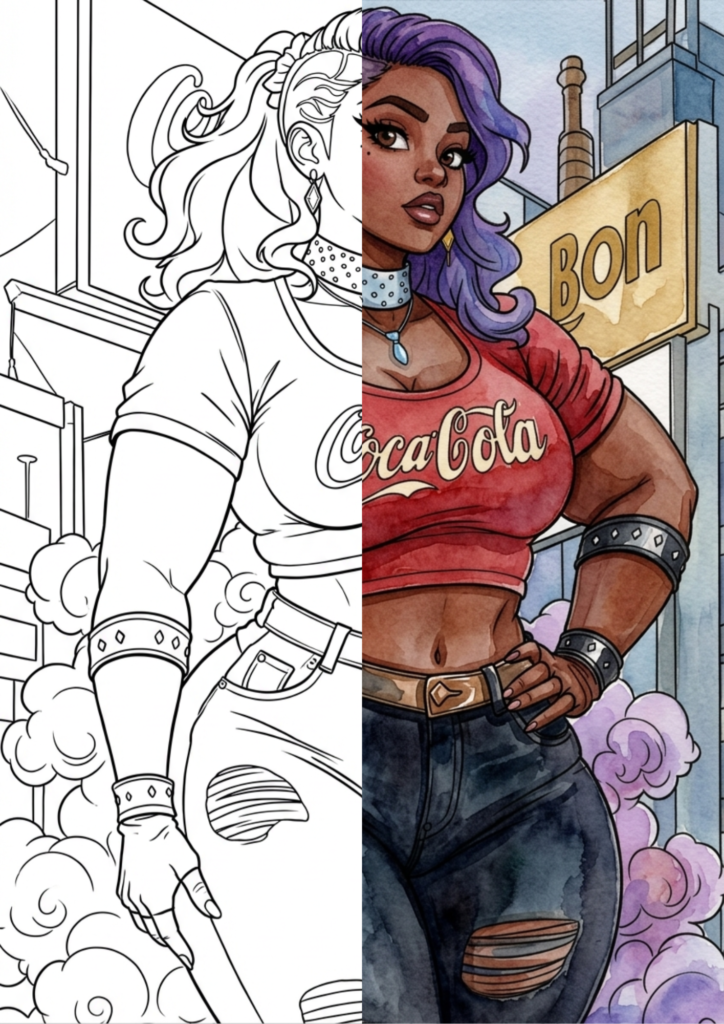
A wash means a thin layer of color spread across an area. This technique works well for skin, fabric, petals, and backgrounds. Mix a small amount of paint with more water. Brush the color over the section in light strokes.
Do not scrub the paper. Let the color settle. A light wash creates a soft base and keeps the page from getting too dark too fast. For beginners, this is one of the best ways to begin.
LAYERING AND BLENDING
Layering means adding more color after the first layer dries. This step builds depth. You can place a second blue over a pale sky or a darker pink near the fold of a dress. Layering gives pages more shape and richness.
Blending helps one color flow into another. This works well for sunsets, glowing magic, flowers, and water scenes. Paint one color first. Add the second color near the edge while the first area still holds slight moisture. Use a clean damp brush to soften the line between them.
Practice with only two colors at first. You do not need a complex mix to create a pretty result. Simple blends often look best.
DRY BRUSH AND WATER CONTROL
Dry brush uses less water and more pigment. This creates texture instead of a smooth wash. Use dry brush for curls, bark, stone, fur, feathers, or rough fabric. Light strokes with a less wet brush leave broken marks that add detail and interest.
Water control matters more than fancy tools. Keep a paper towel nearby and blot your brush when needed. If the paper shines too much, wait before adding more paint. If the page feels too dry, add a little more water to your mix. Small changes make a big difference.
COMMON MISTAKES TO AVOID
Many beginners use dark color too early. Build color in layers instead. Many paint over wet areas by accident. Let the page dry before adding more. Many keep brushing the same spot. Too much brushing can damage paper and lift color. Some skip test swatches and regret the color choice later. Others use paper that cannot handle moisture.
These problems happen to nearly everyone at first. Do not let them stop you. Each page teaches better control.
WHY FANTASY IN BLACK PAGES FIT WATERCOLOR
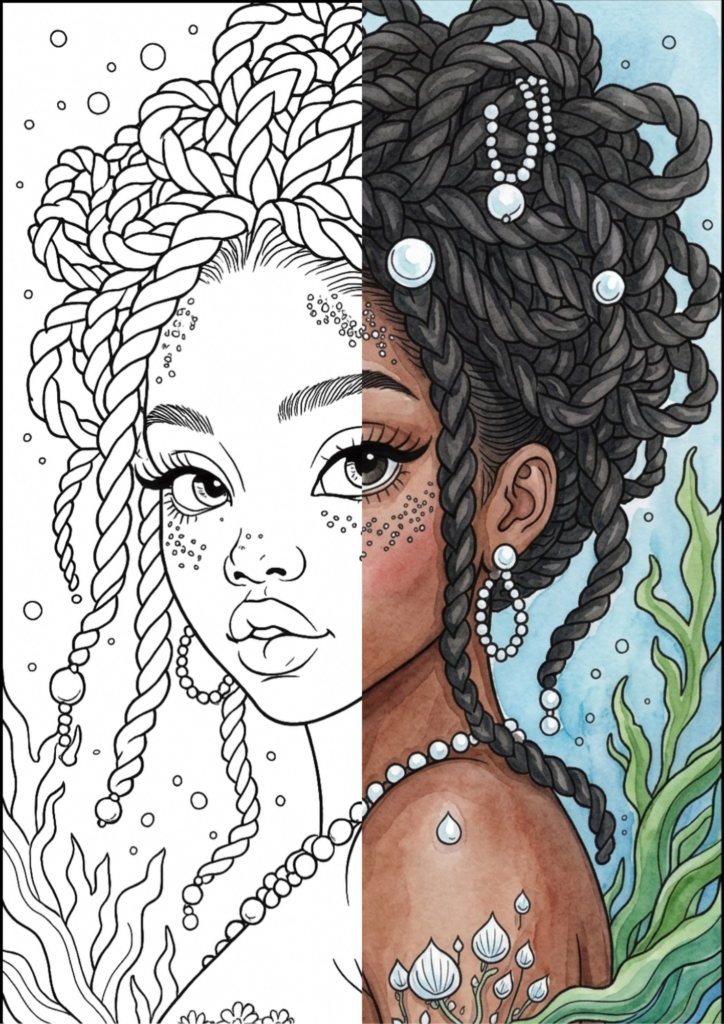
Fantasy pages look beautiful with watercolor. Soft skies, glowing details, flowing gowns, magical light, and dreamy landscapes all work well with layered paint. Fantasy In Black brings fantasy, beauty, and imagination into coloring pages centered on Black women. Watercolor helps those pages feel rich, elegant, and full of mood.
If you enjoy soft color and magical scenes, watercolor and fantasy art make a strong match.
CONCLUSION
You do not need perfect skill to enjoy watercolor coloring pages. You need simple supplies, light layers, and patience. Work in small sections. Use less water than you think. Build color slowly. Let each layer dry before the next one.
Practice one page at a time. With each page, your control gets better and your confidence grows. Watercolor in coloring books becomes easier when you keep your process simple.
Ready to try soft color on fantasy art? Explore Fantasy In Black for coloring books and printable pages that work beautifully with watercolor.
Leave a Reply