



INTRODUCTION
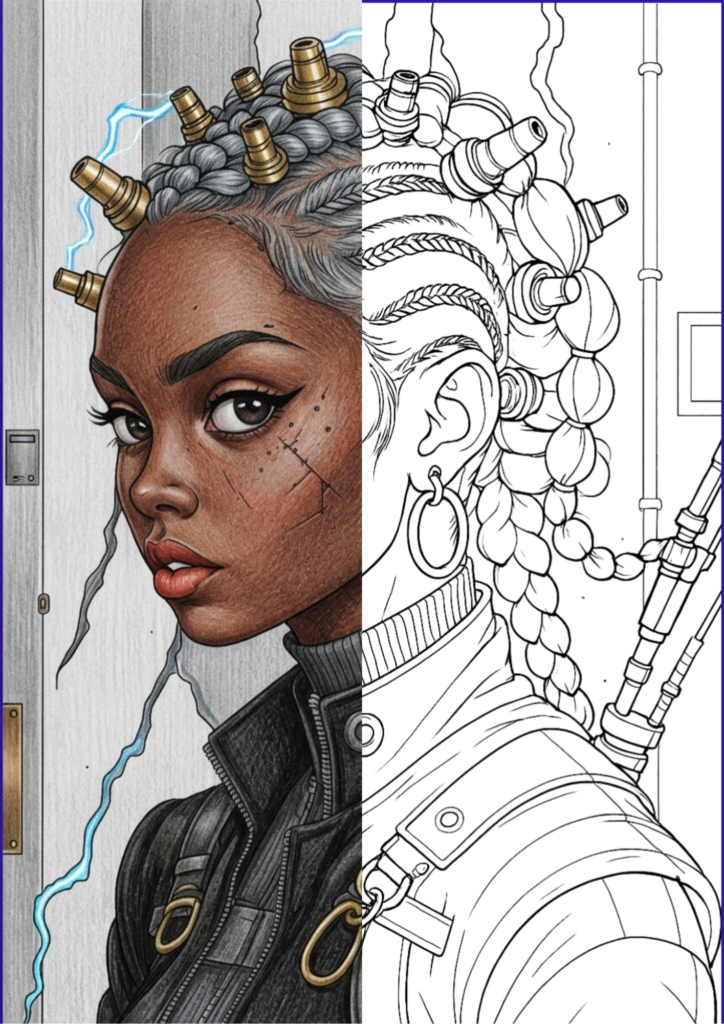
Coloring with pencils calms minds and sparks creativity. Also, many people choose coloring to relax. Moreover, Fantasy In Black offers magical pages for your coloring journey. This guide invites beginners to explore simple techniques. Plus, you will learn how to color with colored pencils on coloring pages, avoid common errors, and enjoy the process.
GATHERING QUALITY SUPPLIES
First, gather quality supplies before coloring. Also, use colored pencils producing smooth pigment. Moreover, keep a sharpener handy for crisp lines. Besides, choose thick paper handling multiple layers without tearing. Additionally, a clean workspace and good lighting improve focus. Furthermore, a blending tool or cotton swab might aid blending later on.
SELECTING A COLOR PALETTE
Selecting a color palette matters because harmonious combinations produce pleasing results. Aim for three or four colors which complement one another. Additionally, warm hues like reds and oranges convey energy, while cool blues and greens suggest calm. Moreover, a color wheel or swatches help with planning. Finally, test combinations on scrap paper before committing them to your page.
UNDERSTANDING PRESSURE AND LAYERING
Pressure matters when coloring. Gentle strokes build color gradually. Light pressure protects paper surfaces and prepares them for more pigment. Colored pencil shading uses varying pressure to create light or dark tones. Begin with gentle strokes and add layers over time for rich color. Instructors note: more layers reduce white specks on paper and produce smooth coverage. Additionally, layer different hues to mix colors and create interesting effects. Furthermore, work from light colors to dark, gradually deepening values. Also, keep pencils sharp to control strokes and details.
BLENDING AND BURNISHING
Blending merges colors into smooth transitions. Blend by layering colors until edges soften. Light strokes help colors mix. Heavy strokes follow for solid coverage. Pressure shading uses different levels of pressure to create light or dark areas. This method helps with blending and gradients. Use a blending pencil or colorless blender to push pigment into paper for an even finish. Moreover, burnishing involves heavy pressure to polish layers. Use a pale pencil, for example white or cream, to burnish and soften layers. Also, some artists use a solvent for wet blending. Beginners might prefer dry methods until comfortable. Allow each layer to settle before applying more pressure.

ADDING DEPTH AND TEXTURE
Shading adds depth and dimension to coloring pages. Directional lines or hatching define form. Crosshatching, where lines crisscross, creates shadows and textures. Keep strokes smooth and follow contours of the object you color. Circling, a tight overlapping circular motion, produces even base layers and gradient transitions. Additionally, stippling uses tiny dots to suggest texture and shading. Furthermore, experiment with these marks on scrap paper before working on your page.
PRACTICE EXAMPLE
Practice builds confidence. Choose a simple shape, for example a leaf from Fantasy In Black. Also, draw a light outline with a graphite pencil. Color the shape using light green with gentle strokes. Add layers of medium green following veins of the leaf. Increase pressure slightly along shaded edges to create depth. For highlights, leave small areas lighter or apply a pale pencil to lift color. Blend colors with a circular motion to create smooth transitions. Apply deeper green along the midrib and edges to define form. In addition, consider a touch of yellow to add warmth. This small exercise demonstrates layering, blending, shading, and directional lines.
AVOIDING COMMON MISTAKES
Many beginners press too hard too soon. Heavy pressure bruises paper and limits how many layers you could apply. Resist the urge to fill areas quickly. Build color gradually for smooth coverage. Another common mistake involves dull pencils. Additionally, sharpen pencils regularly. Furthermore, insufficient layering leads to grainy coloring. Add more layers to hide white spaces. Also, use light strokes with many layers to achieve a polished finish. Moreover, poor paper choice affects results. Also, thick, smooth paper accepts layers better and reduces tearing. Neglecting to test colors on scrap paper could lead to unwanted hues. Always test colors before layering them on your page.

GROWING CONFIDENCE
Confidence grows through practice and patience. Your early attempts might appear uneven, yet each session brings improvement. Pay attention to how light, medium, and heavy pressure affect your work. Vary marks to create texture. Focus on the process, not only on the result. Moreover, with each completed page, your hand becomes steadier and your understanding of color deepens. Additionally, use Fantasy In Black coloring pages to explore different themes and motifs. Each page invites imagination and personal style.
YOUR NEXT STEP
Your coloring journey begins now. Pick your colored pencils and choose a coloring page from Fantasy In Black. Use the techniques in this guide to bring scenes to life. Share your progress with friends or on social media. Explore additional resources, practice exercises, and pages available at Fantasy In Black. Let your creativity flourish and discover the joy of coloring with colored pencils on coloring pages.
Leave a Reply