



Have you ever looked at a colored pencil drawing and wondered how the colors seem to melt into each other? That smooth, blended look might seem like something only professional artists can pull off. But here’s the good news — it’s a lot easier than you think. Colored pencil gradients are one of the most satisfying techniques you can learn, no matter your skill level. In addition, you don’t need expensive supplies or years of practice to get started. This blog will walk you through three simple methods that will take your coloring from flat to fabulous. So grab your pencils, because things are about to get colorful. By the end of this post, you’ll be blending like a pro.
What Are Colored Pencil Gradients?
A gradient is when one color slowly shifts into another. For example, think about a sunset where orange fades gently into pink, and pink softly fades into purple. That seamless color change is exactly what a gradient looks like. Colored pencil gradients work the same way — you use your pencils to create a slow, even shift from one shade to another. As a result, your drawings look more realistic and full of life. Whether you’re coloring a sky, a blooming flower, or a character’s flowing hair, gradients add depth and dimension that make artwork stand out. However, many beginners skip this step because they think it’s too complicated. The truth is, with a little patience and the right techniques, anyone can do it. And once you try it, you’ll never want to go back.
Tools You’ll Need
Before you start, let’s talk about what supplies you’ll need. First, grab a set of colored pencils. Wax-based pencils are great for blending because they glide smoothly across the paper. Next, choose the right paper — smooth, thick paper works best for blending. Rough paper makes the whole process harder because the bumpy texture gets in the way. In addition, consider picking up a colorless blender pencil. It has no color in it, but it works like magic for pushing pigment around. We’ll explain exactly how to use it in Technique #3. Finally, keep a sharpener nearby so your tips stay fine for clean detail work. You don’t need to spend a fortune. However, having these few basic tools will make a noticeable difference in your final results.
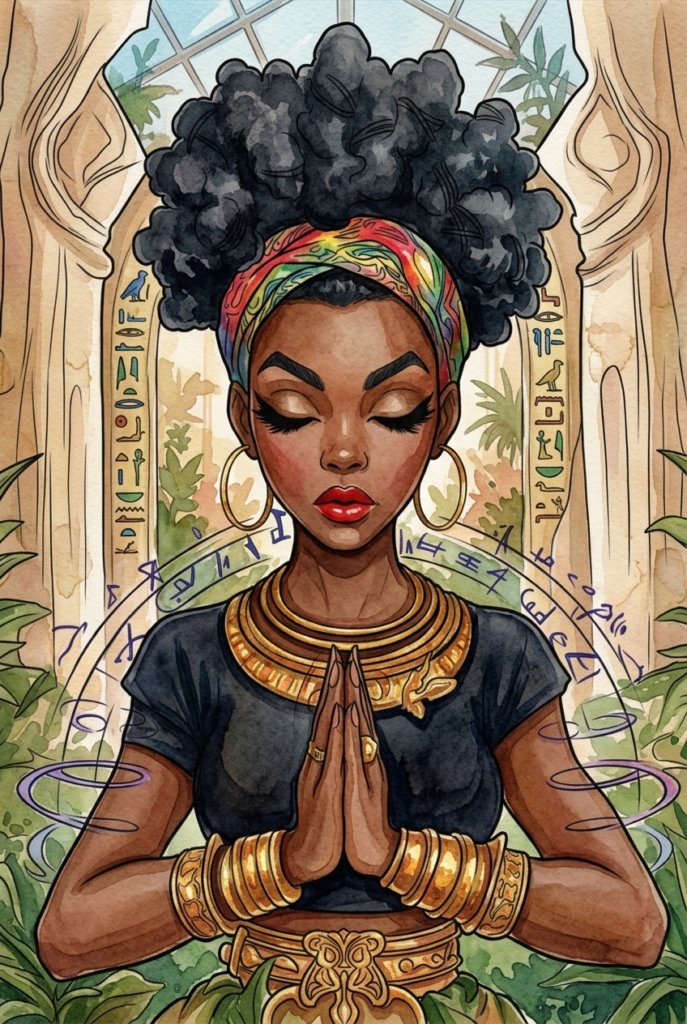
Technique #1: Layering
Layering is the most beginner-friendly way to create colored pencil gradients. Here’s how it works. First, choose two colors that sit next to each other on the color wheel. For example, yellow and orange are a perfect pair, and so are blue and purple. Begin by coloring one section with your first color, using light, smooth strokes. Then, start adding your second color right next to it, slightly overlapping the edges where the two colors meet. Next, go back to your first color and gently blend it into that overlap zone. As a result, the two shades will begin to blend naturally on the paper. Keep switching back and forth, adding thin layers each time. However, always use light pressure — pressing too hard too soon makes the paper waxy and harder to work with. Because of this, think of layering like building a sandwich — slow, thin, and steady always wins.
Technique #2: Burnishing
Burnishing takes things a step further and gives your artwork a gorgeous, polished, almost waxy finish. So what exactly is burnishing? It’s when you press down firmly with a very light pencil — usually white or cream — on top of your existing colored layers. First, build up your base colors using the layering technique you just learned. Then, once you have several good layers in place, pick up a white pencil and press firmly over the area where your colors overlap. As a result, the pigments blend together beautifully and look incredibly smooth. In addition, burnishing fills in the tiny bumps of the paper, giving everything a silky, even appearance. However, there is one important catch — burnishing makes it very difficult to add more color afterward. Because of this, always save this step for the very end of your drawing session. This technique works especially well for soft effects like flower petals, skin tones, and dreamy pastel skies.
Technique #3: Blending with a Colorless Blender
A colorless blender pencil looks just like a regular pencil, except there’s no pigment inside. Instead, it uses the wax already in your colored pencils to push colors together and create smooth, natural-looking blends. First, apply your base colors the same way you would when layering. Next, take the colorless blender and rub it firmly over the area where your two colors meet. You’ll notice the colors start to blur together in a really soft, organic way. For example, if you’re blending red into orange, the blender will create a beautiful coral tone right in the middle. This tool is one of the best options for anyone learning how to blend colored pencils smoothly for beginners because it gives great control without being overwhelming. In addition, colorless blenders work with almost every brand of pencil you’ll find. However, just like burnishing, use it toward the end of your session for the best, smoothest results.
Common Mistakes to Avoid
Even experienced artists run into trouble when blending. However, knowing the most common mistakes ahead of time can save you a lot of frustration. First, many beginners press way too hard right from the start. Light pressure always gives you more control and keeps the paper from becoming too waxy too early. Next, some people try blending colors that are very different — like bright blue and hot pink — before they’ve had much practice. As a result, the colors can turn muddy or streaky instead of blending smoothly. In addition, skipping the layering step and jumping straight into burnishing is another common trap. Because of this, always build up your colors slowly before you try to blend them. On the other hand, switching to smoother, thicker paper can instantly improve your results if things don’t look right. Finally, don’t give up if your first few attempts aren’t perfect. Blending colored pencils gets easier and more natural every single time you practice. Be patient with yourself, and you’ll improve faster than you expect.
Conclusion
Now you know three powerful techniques for making beautiful, smooth colored pencil gradients! Meanwhile, the best way to lock in these new skills is simple — keep practicing. The more you color, the more natural blending will start to feel. For even more coloring fun, check out our online coloring book store at Fantasy In Black (Etsy) and start practicing your new blending skills today! In addition, you’ll find a wide variety of beautiful designs that are perfect for testing out layering, burnishing, and the colorless blender technique. So don’t wait — pick up your pencils and start creating something amazing. Your best artwork is just getting started!
Read more
Leave a Reply